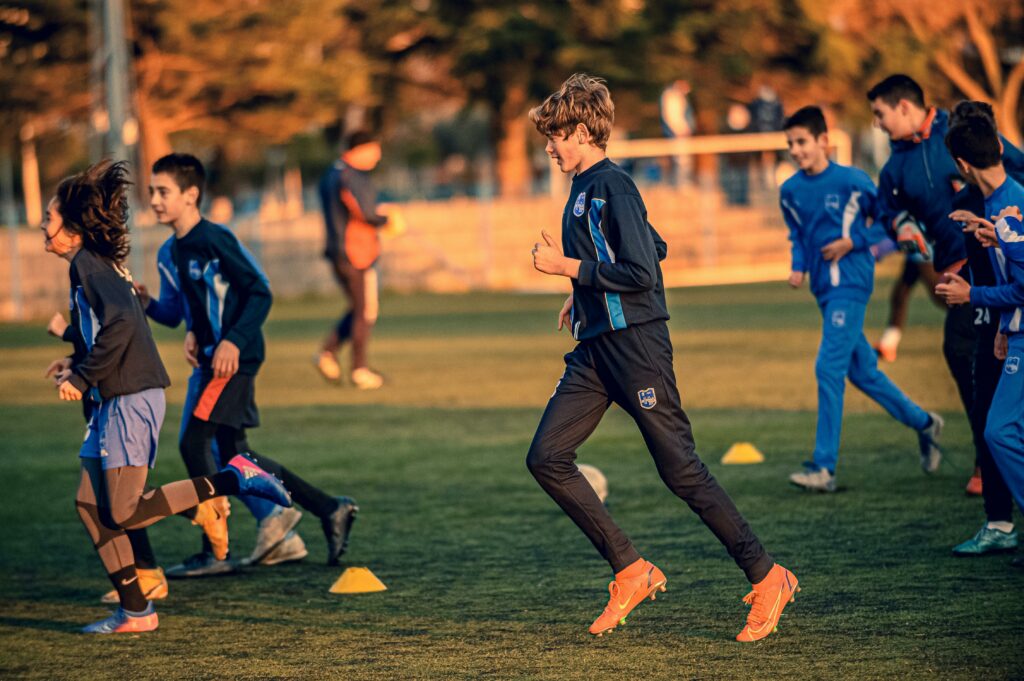
How sport mental skills apply to academic success is a question that we should increasingly exploring. The connection between athletic mindset and learning performance is clear: the same mental tools that help athletes stay calm, focused, and adaptable on the field can transform how students study, present, and manage pressure.
Building these abilities from a young age teaches us how to navigate challenges, remain humble, and see mistakes as opportunities to grow , not failures to fear.
In this article, I’ll show how sport mental skills apply to academic success, why this mindset helps reduce pressure, and how anyone can apply it in daily learning.
Check here, how the skills can be transferred from sports to academics:
| Mental Skills | In Sports | In School or University |
|---|---|---|
| Resilience & Perseverance | Training again after a loss or setback | Reviewing mistakes after a bad grade and improving knowledge |
| Focus & Pressure management | Breathing and routines before competition | Calming yourself before an exam or presentation |
| Goal Setting & Planning | Setting measurable performance goals | Creating study plans and deadlines |
| Consistency & Discipline | Training every day with intention | Studying regularly for steady progress |
| Humility & Openness to feedback | Accepting coaching advice | Using teachers’ feedback to grow |
| Adaptability & Problem solving | Adjusting tactics during a match | Adapting to new learning styles or exam formats |
When students understand how sport mental skills also apply to academic success, they realize that learning is just another performance — one that benefits from structure, repetition, and mental awareness.
Why these mindset tools helps reduce pressure?
Academic performance often carries stress: fear of failure, deadlines, expectations. Athletes face similar pressures but they train their minds to perform with stress instead of against it.
- Controlled breathing before an important serve helps athletes refocus. The same technique can calm students before exams.
- Imagery or visualization used by top performers helps students imagine success, lowering anxiety and boosting confidence.
- Small routines before studying or presenting can anchor focus and reduce mental noise.
Learning how sport mental skills also apply to academic success is also about balance. The athlete’s mindset shows that progress is a process — not a one-time event. With patience and structure, students can perform better and feel better.
6 practical tips how anyone can apply it in daily learning:
- Set a short pre-study routine – take two minutes to breathe and clear your mind.
- Visualize success – imagine finishing your work confidently and calmly.
- Define small, realistic goals – for each session or project.
- Review and self-reflect – after each test, identify what to improve next time.
- Be consistent – build steady study habits like regular training.
- Embrace discomfort – challenges are part of growth, not signs of failure.
Conclusion
Understanding how sport mental skills apply to academic success offers a powerful framework for both students and teachers. The mental training behind sports — resilience, focus, and adaptability — helps students manage stress, learn efficiently, and stay motivated.
By adopting even a few athletic mental strategies, anyone can transform their academic experience — from surviving exams to thriving under pressure.
If you believe your child could benefit from developing sport mental skills that also strengthen academic focus and confidence, feel free to reach out.
I help young athletes and students build the mindset tools they need to perform — both on the field and in the classroom.